In a business landscape defined by intense competition, rising customer expectations, and rapid technological advancement, organizations are constantly seeking ways to maximize their return on investment (ROI). Every decision—from marketing campaigns to sales strategies—must contribute measurable value. This is where Customer Relationship Management (CRM) systems have become indispensable.
CRM is no longer just a tool for storing contact information. It has evolved into a powerful platform that integrates sales, marketing, customer service, and analytics into a unified system. Businesses across industries are adopting CRM solutions not only to streamline operations but also to significantly improve ROI.
This article explores why businesses use CRM for better ROI, how it drives measurable results, and the strategies organizations can use to maximize its value.
Understanding ROI in Modern Business
Return on Investment (ROI) is a key performance indicator that measures the profitability of an investment relative to its cost. In simple terms, ROI answers the question: “Are we getting enough value from what we spend?”
In the context of CRM, ROI is not limited to direct revenue gains. It also includes:
- Increased efficiency
- Reduced operational costs
- Improved customer retention
- Higher conversion rates
- Better decision-making
CRM systems impact multiple areas of a business, making them one of the most versatile tools for improving ROI.
What is CRM and How It Works
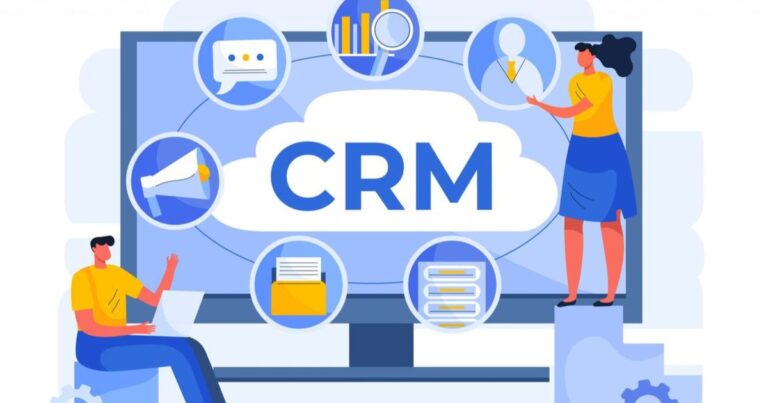
Customer Relationship Management (CRM) systems are platforms designed to manage interactions with customers and prospects. They centralize data, automate workflows, and provide insights that help businesses build stronger relationships.
A CRM typically includes:
- Contact and lead management
- Sales pipeline tracking
- Marketing automation
- Customer support tools
- Reporting and analytics
By bringing all these functions together, CRM creates a cohesive environment where teams can collaborate effectively and make data-driven decisions.
The Direct Link Between CRM and ROI
CRM improves ROI by increasing revenue while reducing costs. It enables businesses to:
- Close more deals
- Improve customer retention
- Reduce manual work
- Optimize marketing spend
- Enhance customer experience
The combination of these benefits leads to a significant improvement in overall profitability.
Increased Sales Efficiency
Streamlined Sales Processes
CRM systems automate and standardize sales processes, making it easier for teams to manage leads and opportunities. Sales representatives can focus on high-value activities instead of administrative tasks.
Better Lead Management
With CRM, businesses can track leads from the initial contact to conversion. This ensures that no opportunity is missed and that leads are nurtured effectively.
Improved Conversion Rates
By providing insights into customer behavior, CRM helps sales teams tailor their approach, increasing the likelihood of closing deals.
Enhanced Customer Retention
Building Long-Term Relationships
Retaining existing customers is more cost-effective than acquiring new ones. CRM systems help businesses maintain ongoing relationships through personalized communication and consistent engagement.
Reducing Churn
CRM tools can identify at-risk customers by analyzing behavior patterns. Businesses can then take proactive steps to retain them, reducing churn rates.
Increasing Customer Lifetime Value
By improving retention and encouraging repeat purchases, CRM increases the lifetime value of each customer, contributing to higher ROI.
Improved Marketing Effectiveness
Targeted Campaigns
CRM systems enable businesses to segment their audience based on demographics, behavior, and preferences. This allows for highly targeted marketing campaigns that yield better results.
Better Use of Marketing Budget
With detailed analytics, businesses can identify which campaigns are most effective and allocate resources accordingly.
Campaign Automation
Automation ensures that marketing messages are delivered at the right time, improving engagement and conversion rates.
Cost Reduction Through Automation
Minimizing Manual Work
CRM automates repetitive tasks such as data entry, follow-ups, and reporting. This reduces the need for manual labor and minimizes errors.
Improving Resource Allocation
By streamlining processes, CRM allows businesses to use their resources more efficiently, reducing operational costs.
Faster Decision-Making
Access to real-time data enables quicker and more informed decisions, saving time and money.
Data-Driven Decision Making
Access to Real-Time Insights
CRM systems provide real-time data on sales performance, customer behavior, and market trends. This allows businesses to make informed decisions quickly.
Predictive Analytics
Advanced CRM platforms use predictive analytics to forecast future trends and identify opportunities. This helps businesses stay ahead of the competition.
Performance Tracking
Businesses can track key performance indicators (KPIs) and measure the effectiveness of their strategies, ensuring continuous improvement.
Improved Collaboration Across Teams
Unified Data Platform
CRM systems provide a single source of truth for all customer data, ensuring that everyone in the organization has access to the same information.
Better Communication
Teams can collaborate more effectively when they have access to shared data and tools.
Alignment of Goals
CRM aligns sales, marketing, and customer service teams, ensuring that everyone works toward common objectives.
Personalization at Scale
Understanding Customer Preferences
CRM systems collect and analyze data on customer preferences, enabling businesses to deliver personalized experiences.
Tailored Communication
Personalized messages are more engaging and effective, leading to higher conversion rates and customer satisfaction.
Strengthening Customer Relationships
Personalization helps build trust and loyalty, which are essential for long-term success.
Scalability and Flexibility
Supporting Business Growth
CRM systems are designed to scale with the business. As the organization grows, the CRM can handle increased data and complexity.
Customizable Features
Many CRM platforms offer customization options, allowing businesses to tailor the system to their specific needs.
Adapting to Market Changes
CRM systems provide the flexibility needed to adapt to changing market conditions and customer expectations.
Better Customer Experience
Seamless Interactions
CRM ensures that all customer interactions are recorded and accessible, providing a seamless experience across channels.
Faster Response Times
With quick access to customer data, businesses can respond to inquiries more efficiently.
Consistent Service
Consistency is key to customer satisfaction, and CRM helps maintain a uniform experience.
Measuring CRM ROI
Key Metrics to Track
To evaluate the ROI of a CRM system, businesses should track:
- Sales growth
- Conversion rates
- Customer retention rates
- Customer lifetime value
- Cost per acquisition
Calculating ROI
ROI can be calculated by comparing the benefits gained from CRM to the cost of implementation and maintenance.
Continuous Optimization
Regular analysis of CRM performance helps businesses identify areas for improvement and maximize ROI.
Challenges in Achieving CRM ROI
Implementation Costs
Initial setup and training can be expensive, but the long-term benefits often outweigh the costs.
User Adoption
A CRM is only effective if it is used consistently. Ensuring user adoption is critical.
Data Quality Issues
Inaccurate or outdated data can reduce the effectiveness of CRM systems.
Strategies to Maximize CRM ROI
Define Clear Objectives
Businesses should have clear goals for what they want to achieve with CRM.
Invest in Training
Proper training ensures that employees use the system effectively.
Maintain Data Quality
Regular data cleaning and updates are essential for accurate insights.
Leverage Automation
Using automation features can significantly improve efficiency and ROI.
Future Trends in CRM and ROI
Artificial Intelligence
AI is enhancing CRM capabilities by providing predictive insights and automating processes.
Integration with Emerging Technologies
CRM systems are increasingly integrating with tools such as chatbots and IoT devices.
Focus on Customer Experience
Businesses are placing greater emphasis on delivering exceptional customer experiences, with CRM at the center.
Conclusion
CRM systems have become a vital tool for businesses seeking to improve ROI. By increasing sales efficiency, enhancing customer retention, reducing costs, and enabling data-driven decision-making, CRM delivers measurable value across the organization.
The true power of CRM lies in its ability to transform how businesses interact with their customers. It turns data into insights, processes into efficiencies, and interactions into lasting relationships.
For businesses looking to stay competitive and achieve sustainable growth, investing in a CRM system is not just an option—it is a necessity. When implemented and used effectively, CRM can significantly boost ROI and drive long-term success.